
Our Blog
The Advanced Water Systems Inc. Blog
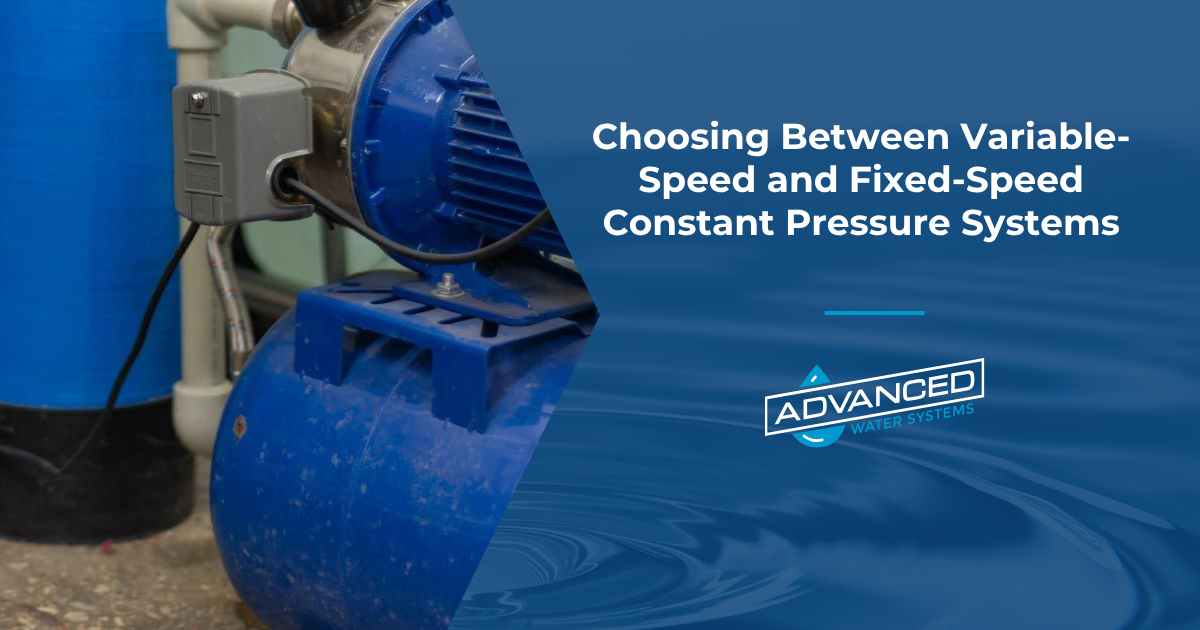
Compare variable-speed and fixed-speed constant pressure systems to see which technology better fits your well home's water usage, noise levels, and budget.
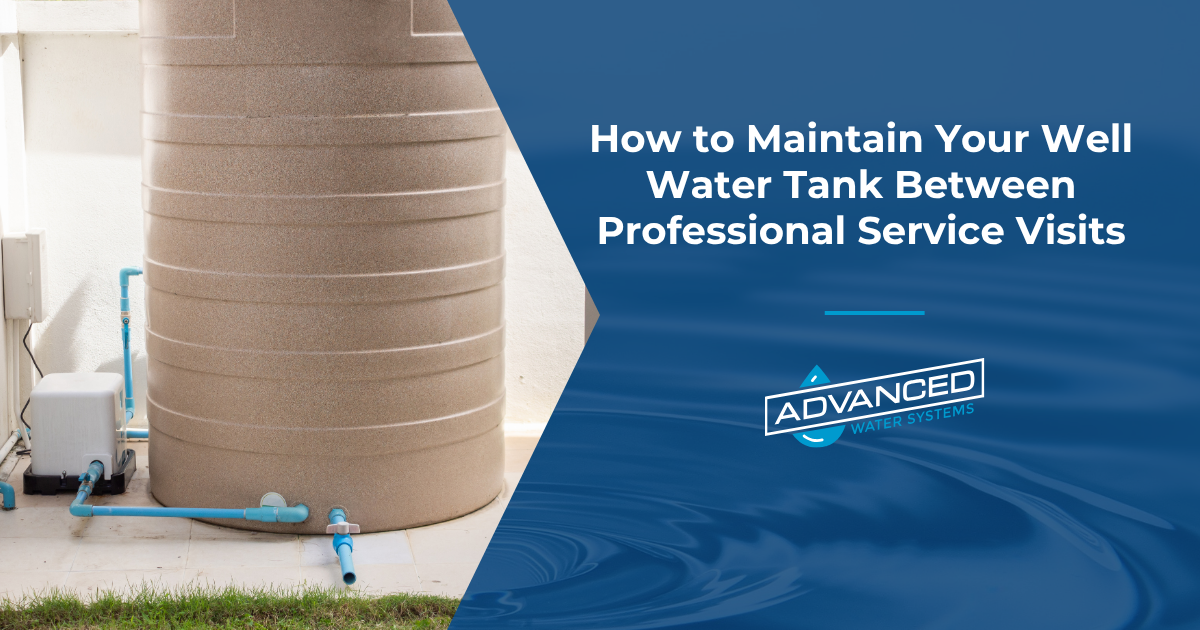
Learn how to maintain your well water tank between professional service visits with easy, practical tips that protect your water quality and system performance.
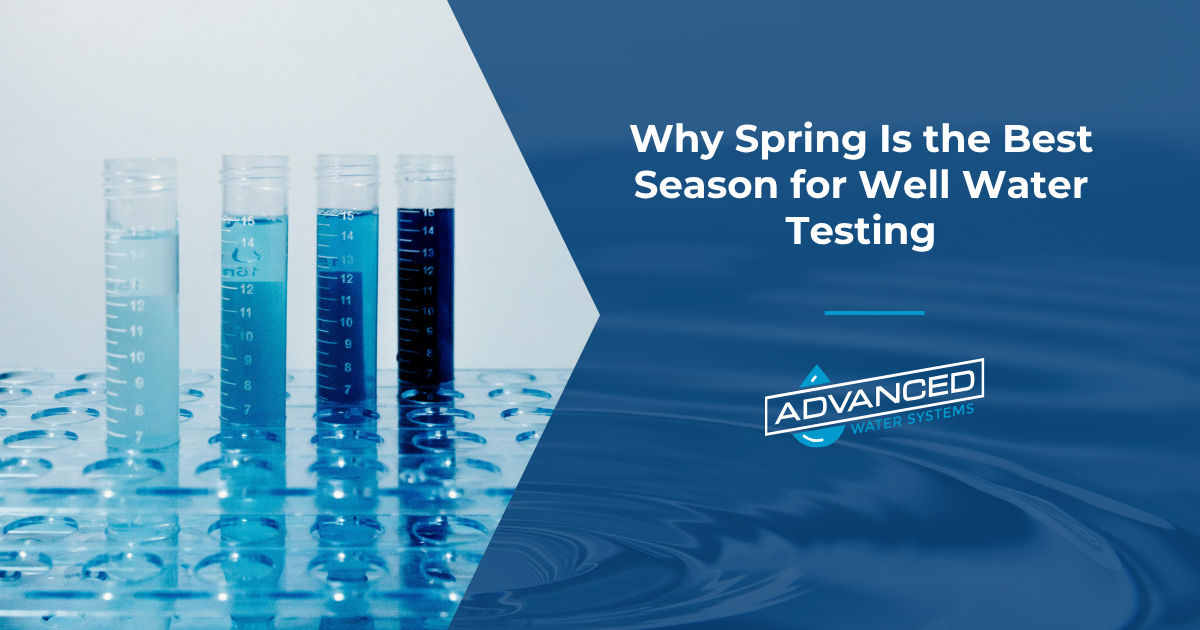
Discover why spring is the best season for well water testing and how the season's unique conditions put your groundwater at the highest risk of contamination.
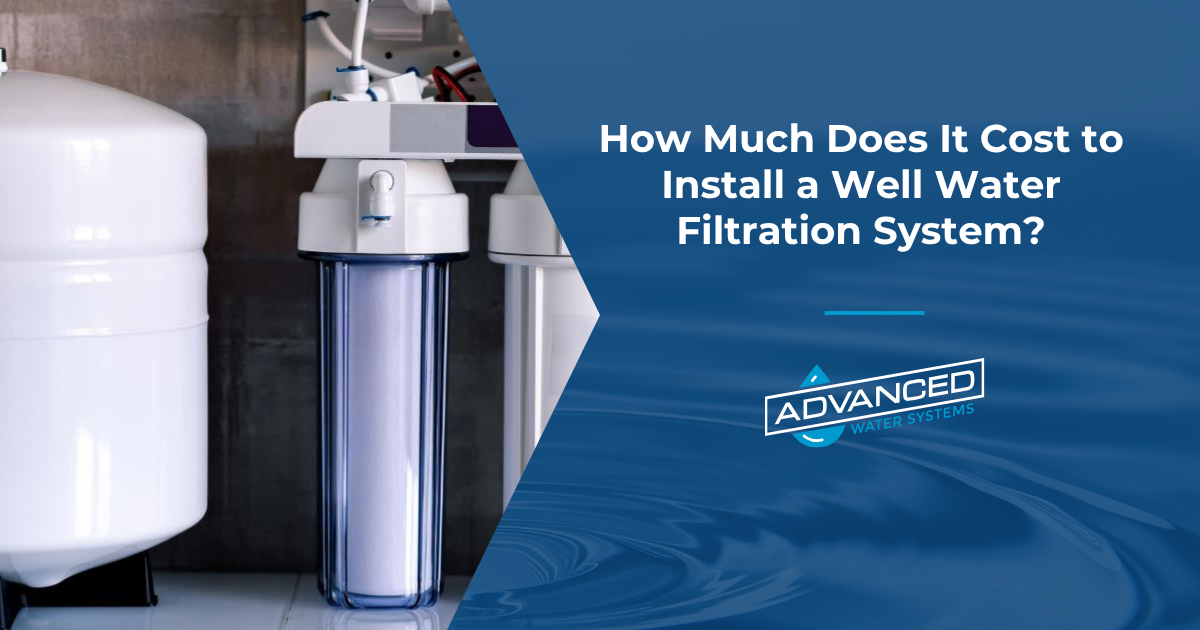
Find out how much a well water filtration system costs to install and what affects the final price, including system size, water conditions, and installation.
Learn how well-water radon differs from soil radon, how to test both, and how to choose the right fix for your home to keep air and water safer year-round.
Discover how often to schedule a well water inspection and get expert tips on testing, maintenance, and prevention to keep your water clean and safe year-round.
Learn the most common contaminants found during well water testing and discover expert solutions homeowners can use to keep their water safe and clean.
If you rely on well water, you might not realize just how important it is to stay informed about hidden risks in your water supply. As someone who has worked extensively with well water systems, I’ve seen firsthand how radon can quietly enter well water and pose a threat to families. Radon mitigation isn’t just a technical concern; it’s a crucial step for protecting your home and health, especially since radon is invisible, odorless, and surprisingly common in many regions. Drawing from both professional experience and up-to-date EPA research, I can confirm that certain areas and underground rock types make wells particularly vulnerable, so understanding how radon gets into groundwater and how it can be released into the air during daily routines is vital. When it comes to safeguarding your home, the two main EPA-recognized methods for removing radon from well water are aeration and granular activated carbon (GAC) filtration, each offering unique advantages and challenges. Radon removal efficiency Installation complexity Operating & maintenance requirements Initial and long-term costs Space requirements Environmental & safety concerns Power dependence Water pressure impact Suitability for various radon levels Regulatory considerations Which system is better for you? Keep reading to discover which radon mitigation system will truly offer the best protection and peace of mind for your home and family.
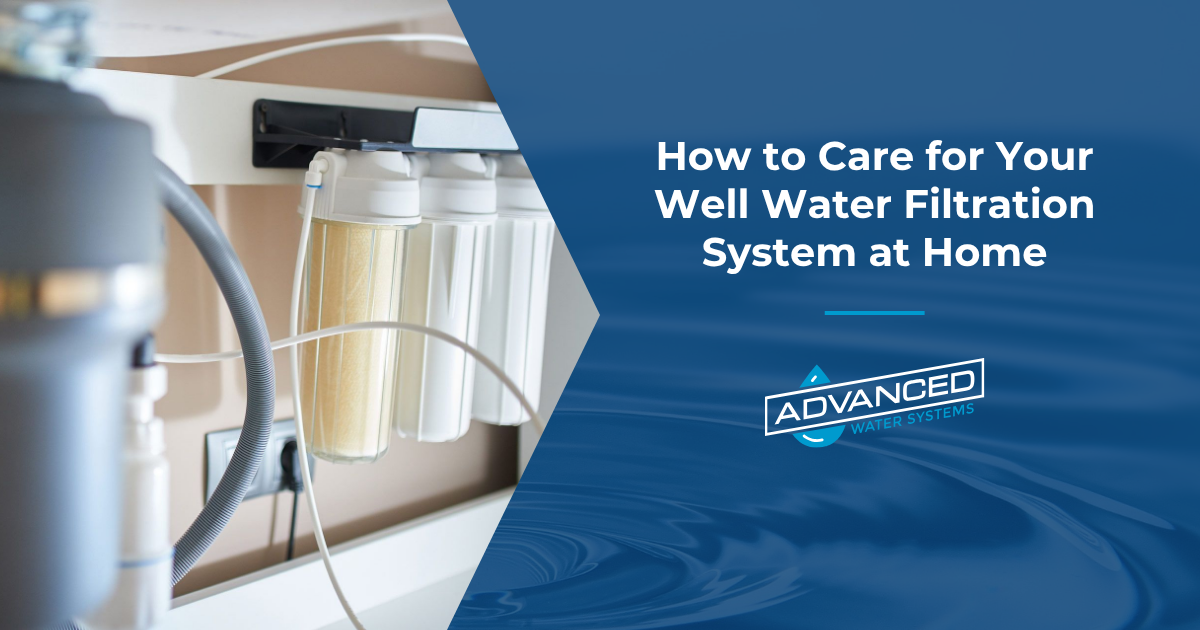
Keep your well water filtration systems working efficiently with these easy maintenance tips. Learn simple care tips to enjoy cleaner and safer water every day.
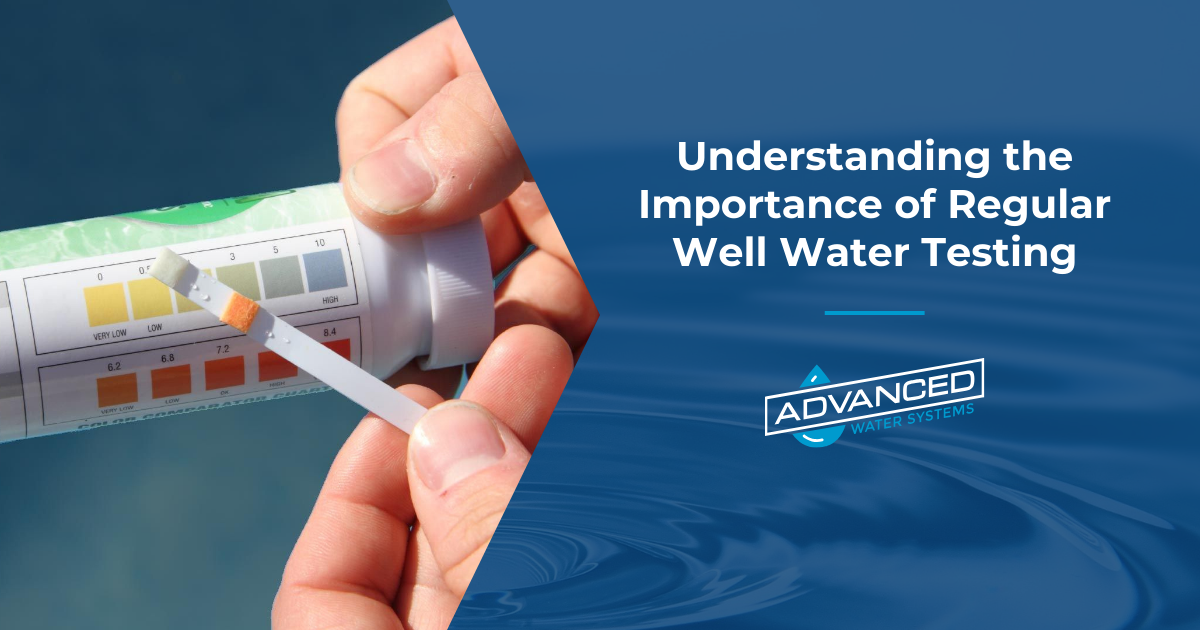
Enjoy safe and healthy drinking water with routine well water testing. Learn how regular testing helps prevent health risks and maintain contaminant-free water.
